
A Beginner’s Guide to Cloud Cost Optimization
Understanding the Foundations Before You Spend More Than You Should
Cloud adoption has transformed how organisations build, scale, and deliver software. Businesses can deploy globally in minutes, scale instantly, and pay only for what they use. However, this flexibility often comes with an unexpected downside. Cloud costs tend to grow quietly and rapidly, especially when environments are not actively monitored or governed. Many organisations realise too late that their cloud spend has outpaced their actual business growth.
This is precisely where cloud cost optimization becomes critical. It is not about cutting corners or reducing innovation. Instead, it focuses on aligning cloud usage with real business value. Without a structured approach, teams often pay for idle resources, overprovisioned services, and inefficient configurations. Over time, these small inefficiencies accumulate into significant financial waste.
What Is Cloud Cost Optimization?
Cloud cost optimization is the disciplined practice of analysing, managing, and improving cloud spending while maintaining performance, security, and reliability. It ensures that every pound spent on cloud infrastructure delivers measurable value to the organisation. Rather than reacting to high invoices, cloud optimization introduces proactive cost awareness into daily engineering and business decisions.
Unlike traditional IT environments, cloud infrastructure is highly dynamic. Resources scale automatically, pricing models vary by service, and usage patterns shift constantly. This makes manual tracking ineffective. Cloud cost optimization introduces structured processes, metrics, and tooling that allow organisations to stay in control even as their environments grow in complexity.
At its core, cloud optimization is about balance. It aligns speed with sustainability, performance with efficiency, and innovation with financial discipline.
Cloud Cost Management vs Traditional IT Cost Control
Traditional IT cost control was largely predictable. Hardware investments were planned upfront, budgets were fixed annually, and infrastructure changes happened slowly. Once servers were purchased, costs remained stable regardless of actual usage. Cloud environments have fundamentally changed this model.
With cloud platforms, costs fluctuate daily based on consumption. Engineering choices directly impact financial outcomes. A single misconfigured resource can generate unnecessary spend for months without being noticed. This shift has made cloud cost management a shared responsibility between finance, engineering, and operations teams.
Modern organisations must treat cloud spending as an operational metric, not just a finance report. Cloud cost optimization enables teams to understand cost implications in real time, ensuring that technical decisions support business objectives rather than undermine them.
Why Cloud Cost Optimization Matters Today
Cloud services now power mission-critical systems across industries. From customer-facing platforms to data analytics and artificial intelligence workloads, the cloud has become the backbone of modern digital operations. As reliance increases, so does the financial impact of inefficiency.
Industry research from Gartner highlights that a significant portion of cloud spend is wasted due to poor visibility, unused resources, and lack of governance
(Gartner cloud cost management insights opens in a new tab). For startups, this waste can slow growth. For established enterprises, it quietly erodes margins and operational efficiency.
Cloud computing cost optimization ensures that innovation remains sustainable. It allows organisations to scale confidently while maintaining control over financial performance. Without it, cloud spending becomes reactive rather than strategic.
Key Benefits of Cloud Cost Optimization
Effective cloud cost optimization delivers benefits far beyond immediate savings. It creates clarity, accountability, and long-term financial stability. Organisations gain better insight into where money is being spent and why. This transparency improves decision-making across both technical and business teams.
Optimised environments also perform better. Right-sized resources reduce waste while improving application responsiveness. Teams can forecast costs more accurately, plan growth with confidence, and eliminate surprise bills. Over time, these improvements compound into stronger operational resilience and higher return on cloud investments.
At EmporionSoft, cloud optimization is treated as a strategic capability rather than a billing exercise. Our teams design cloud architectures where efficiency, scalability, and performance evolve together
EmporionSoft homepage.
Introducing FinOps at a High Level
As cloud complexity increased, organisations recognised the need for a new operating model. This led to the emergence of FinOps, short for Financial Operations. FinOps brings finance, engineering, and leadership together around shared visibility and accountability for cloud spending.
FinOps does not restrict innovation or slow development. Instead, it empowers teams with real-time cost data and clear ownership. Engineers understand the financial impact of their decisions, while finance teams gain transparency into technical usage patterns. Leadership can then make informed decisions grounded in both performance and cost.
While this guide will explore FinOps in more detail later, it is important to understand that successful cloud cost optimization is rarely achieved without FinOps principles at its core.
The Real Challenge Isn’t Price — It’s Control
Cloud providers offer competitive and transparent pricing. The real challenge lies in managing complexity across services, regions, and scaling rules. As environments grow, manual oversight becomes impossible. Without clear governance, even well-intentioned teams lose control over spending.
This is why many organisations partner with experienced cloud specialists. EmporionSoft helps businesses design cost-aware cloud architectures from the outset, ensuring long-term efficiency rather than short-term fixes
EmporionSoft services .
Before any optimisation strategy can succeed, one question must be answered.
Where exactly do cloud costs go wrong?
Why Cloud Costs Spiral Out of Control: The Most Common Mistakes Organisations Make
Cloud platforms are designed to deliver speed, flexibility, and near-unlimited scalability. However, these same strengths are often the reason cloud costs grow beyond expectations. Most organisations do not overspend because they misuse the cloud intentionally. They overspend because cloud environments expand faster than the processes designed to control them. What starts as a lean setup quickly becomes a complex mix of services, regions, and workloads, making cloud cost optimization increasingly difficult without deliberate oversight.
A major cause of uncontrolled cloud spend is the absence of a structured cloud cost governance framework. Many businesses migrate to the cloud without clearly defining who owns cost decisions. Engineering teams provision resources to meet delivery deadlines, finance teams review invoices after costs are incurred, and leadership steps in only when spending becomes alarming. This reactive approach prevents effective cloud cost management and leaves little room for proactive optimisation. Governance does not limit innovation; it ensures that growth happens within financially sustainable boundaries.
Overprovisioning is another widespread issue that undermines cloud resource optimization. To reduce the risk of performance issues, teams often allocate more capacity than applications actually require. While this creates a sense of safety, it leads to persistent underutilisation across compute, storage, and database services. Over time, these oversized resources become permanent fixtures, quietly inflating cloud bills month after month. Without regular rightsizing and performance reviews, these inefficiencies remain hidden and accepted as normal operating costs.
Idle workloads and forgotten resources also contribute heavily to unnecessary cloud spending. Temporary environments created for testing, development, or experimentation are frequently left running long after their purpose has ended. These unused services continue to incur charges while delivering no value to the business. Effective cloud waste reduction strategies focus on identifying idle resources, automating shutdown schedules, and enforcing cleanup policies. Without these practices, organisations unknowingly pay for infrastructure that no one is using.
Limited visibility into cloud billing further complicates optimisation efforts. Many organisations rely on high-level invoices that provide little insight into which teams, applications, or services are driving costs. This lack of transparency makes cloud billing optimization nearly impossible. Engineers cannot see the financial impact of their architectural decisions, and finance teams struggle to interpret technical usage patterns. Without detailed cost allocation and reporting, cloud cost benchmarking and informed decision-making become extremely difficult.
Another common challenge is the lack of shared ownership between finance and engineering teams. Cloud cost optimization fails when these groups operate in silos. Engineering teams focus on performance and delivery speed, while finance teams concentrate on budgets and forecasts. Without collaboration, optimisation initiatives lose momentum and accountability. Successful organisations treat cloud spending as a joint responsibility, aligning technical decisions with financial outcomes through shared metrics and visibility.
Cloud providers offer powerful tools, but they do not automatically optimise costs on behalf of customers. Platforms such as AWS and Google Cloud clearly state that users are responsible for managing efficiency and usage. Without deliberate optimisation strategies, cloud platforms simply scale inefficiencies faster. EmporionSoft has observed across multiple client engagements that sustainable savings only emerge when visibility, governance, and accountability are addressed together. For real-world examples, explore our cloud transformation work in the EmporionSoft case studies.
For a deeper understanding of how unmanaged complexity impacts long-term efficiency, our analysis on technical debt explains how hidden inefficiencies accumulate over time.
Before any cost reduction initiative can succeed, organisations must first understand where their cloud spending is going and why. In the next section, we’ll explore cloud cost analysis best practices and the performance metrics that truly matter for building sustainable cloud cost optimization strategies
Cloud Cost Analysis Best Practices and Performance Metrics That Truly Matter
Before any meaningful cloud cost optimization can take place, organisations must first understand exactly where their cloud spending is going. Many businesses rush into cost-cutting initiatives without proper analysis, which often leads to short-term savings but long-term inefficiencies. Cloud environments are highly dynamic, with costs shifting daily based on usage, scaling rules, and service configurations. Without structured cloud cost analysis best practices, optimisation efforts become reactive rather than strategic.
The foundation of effective analysis is complete visibility across cloud services and workloads. This means tracking costs by application, environment, team, and business function instead of relying on high-level monthly invoices. When spending is broken down into meaningful categories, organisations can clearly identify which workloads deliver value and which contribute to waste. This level of insight transforms cloud cost management from a finance-only activity into a shared operational responsibility across teams.
Cost allocation and tagging play a critical role in cloud cost optimization. By assigning costs to specific teams or projects, organisations create accountability and encourage responsible usage. Engineers gain awareness of the financial impact of architectural decisions, while finance teams gain clarity into technical spending patterns. This alignment supports sustainable cloud spend optimization and eliminates the common issue of shared costs with no clear ownership.
Tracking the right cloud cost performance metrics is essential for ongoing optimisation. Metrics such as cost per user, cost per transaction, and cost per environment provide far more insight than total spend alone. These indicators allow organisations to measure efficiency as they scale and identify early warning signs of inefficiency. Monitoring these metrics over time enables continuous improvement in cloud computing cost optimization and supports data-driven decision-making.
A centralised cloud cost insights dashboard brings cost data and performance metrics together in one place. Dashboards allow teams to monitor real-time spending trends, detect anomalies, and forecast future costs with confidence. Native tools provided by major cloud platforms make this process accessible, including
AWS Cost Explorer ,
Azure Cost Management , and
Google Cloud Billing reports .
These tools form the backbone of effective cloud cost analysis when used consistently.
Forecasting and modelling further strengthen cloud cost optimization efforts. Using tools such as a cloud savings calculator allows organisations to estimate the financial impact of optimisation decisions before implementing them. Whether evaluating reserved pricing models, autoscaling policies, or storage optimisation, forecasting helps prioritise actions with the highest potential return. This approach directly supports stronger cloud optimization ROI strategies and reduces unnecessary risk.
At EmporionSoft, cloud cost analysis is treated as a continuous discipline rather than a one-time exercise. Our teams help organisations design cost-aware cloud architectures supported by clear metrics, dashboards, and governance models
(learn more about our approach on the
EmporionSoft Services page . We also explore how evolving cloud models influence cost efficiency in our article on the
future of cloud computing .
Industry guidance reinforces the importance of ongoing measurement. The
AWS Well-Architected Framework – Cost Optimization Pillar highlights continuous monitoring and analysis as core principles of sustainable cost control. Similar recommendations appear across Azure and Google Cloud best practices, underlining that visibility is the starting point for all successful optimisation strategies.
Once organisations clearly understand their cloud cost drivers and performance metrics, optimisation becomes far more effective. Analysis turns raw billing data into actionable insight. In the next section, we’ll explore proven cloud cost reduction strategies and optimisation techniques that organisations can confidently apply using these insights as their foundation.
Proven Cloud Cost Reduction Strategies and Optimization Techniques That Deliver Real Savings
Once cloud spending is clearly analysed and measured, organisations can move confidently into action. This is where cloud cost optimization shifts from theory to tangible results. Effective optimisation is not about aggressive cost-cutting or compromising performance. It focuses on aligning cloud usage with actual demand, eliminating waste, and choosing pricing models that match real workloads. When done correctly, cloud cost reduction strengthens both financial control and system reliability.
One of the most impactful cloud optimization techniques is rightsizing resources. Many workloads are deployed with far more capacity than they ever use. Virtual machines, databases, and container clusters often run below 30 percent utilisation for long periods. Cloud rightsizing resources involves adjusting compute, memory, and storage to match actual usage patterns. This simple step alone can unlock immediate savings without affecting application performance, making it a cornerstone of sustainable cloud resource optimization.
Pricing model optimisation is another powerful lever. Cloud providers offer multiple pricing options designed for different usage patterns, yet many organisations rely solely on on-demand pricing. Reserved instances and savings plans allow businesses to commit to predictable workloads in exchange for lower rates. This form of cloud pricing model optimization is especially effective for steady production environments. Platforms such as
AWS Savings Plans ,
Azure Reserved Instances , and
Google Committed Use Discounts provide significant long-term cost reductions when applied strategically.
Autoscaling is another essential component of cloud cost reduction strategies. Instead of running infrastructure at peak capacity around the clock, autoscaling adjusts resources dynamically based on demand. This ensures systems scale up during high traffic periods and scale down when demand drops. Autoscaling not only improves performance but also plays a major role in cloud spend optimization by preventing unnecessary overprovisioning during low-usage periods.
Storage optimisation is frequently overlooked, yet it represents a major opportunity for savings. Data often accumulates rapidly, and not all of it requires high-performance storage. By moving infrequently accessed data to lower-cost storage tiers, organisations can significantly reduce ongoing expenses. Implementing lifecycle policies and retention rules helps automate this process, supporting long-term cloud billing optimization without manual intervention.
Another highly effective technique involves scheduling non-production environments. Development, testing, and staging systems rarely need to run continuously. By shutting down these environments outside working hours, organisations can eliminate a large portion of wasted spend. This approach is a core part of many cloud waste reduction strategies and delivers measurable savings with minimal effort.
At EmporionSoft, these optimisation techniques are applied as part of a broader, outcome-driven strategy. We help organisations identify which actions deliver the highest impact based on their unique workloads and business goals
(learn more about our optimisation approach on the
EmporionSoft consultation page . Our experience across multiple cloud providers allows us to tailor optimisation strategies rather than apply generic fixes.
Choosing the right optimisation techniques is not about applying everything at once. It is about prioritisation. When optimisation decisions are guided by accurate cost analysis and aligned with business objectives, the return on investment becomes clear and measurable. For deeper insight into how different platforms compare from a cost-efficiency perspective, explore our detailed
cloud providers comparison for 2025 .
Cloud Cost Optimization Tools and Platforms Across AWS, Azure, and Google Cloud
As cloud environments grow in scale and complexity, manual cost control quickly becomes ineffective. This is where cloud cost optimization tools play a critical role. These tools provide visibility, automation, and insights that help organisations control spending without slowing innovation. When used correctly, they transform cloud cost optimization from a periodic exercise into a continuous, data-driven process embedded in daily operations.
Most organisations begin with native tools provided by their cloud platforms. These tools are tightly integrated into the cloud ecosystem and offer reliable baseline capabilities for monitoring, reporting, and forecasting. For businesses running workloads on Amazon Web Services, AWS Cost Explorer and AWS Budgets provide detailed breakdowns of usage and spend, helping teams identify trends and anomalies early. These tools are often the first step toward structured cloud cost management within AWS environments.
Microsoft Azure offers robust cost optimisation features through Azure Cost Management. It enables organisations to track spending across subscriptions, allocate costs to teams, and forecast future expenses. Azure’s integration with governance policies makes it particularly effective for enterprises that require strong cost controls alongside compliance. When used consistently, Azure’s tooling supports both short-term savings and long-term cloud spend optimization.
Google Cloud takes a data-driven approach to cost optimisation. Google Cloud Billing reports and cost breakdowns allow teams to analyse spending at a granular level and compare usage across services. Google Cloud’s commitment-based discounts further support cloud pricing model optimization for predictable workloads. These native tools provide strong visibility for organisations operating at scale within GCP environments.
While native tools are powerful, they are not always sufficient for complex, multi-cloud setups. This is where third-party cloud cost optimization tools add value. FinOps platforms aggregate data across providers, centralise reporting, and offer advanced analytics. They enable organisations to manage cloud cost optimization across AWS, Azure, and Google Cloud from a single interface, reducing operational overhead and improving decision-making.
Selecting the right tool depends on business maturity and cloud strategy. Smaller teams often benefit most from native tooling combined with strong governance practices. Larger organisations or those operating across multiple providers typically require more advanced platforms to support cross-cloud visibility and automation. The key is to avoid tool sprawl and focus on solutions that align with existing workflows and optimisation goals.
At EmporionSoft, tool selection is driven by outcomes rather than features. We help organisations evaluate cloud cost optimization tools based on real-world usage patterns and business objectives
(learn more about our approach on the EmporionSoft services page: https://emporionsoft.com/services/). Our teams also guide clients through multi-cloud cost challenges explored in our cloud providers comparison for 2025: https://emporionsoft.com/cloud-providers-comparison-2025/.
Authoritative guidance from cloud providers reinforces the importance of using built-in optimisation tools effectively. AWS, Microsoft, and Google all emphasise that tooling must be paired with governance and continuous monitoring to deliver sustained value. Cloud cost optimization succeeds not through tools alone, but through how consistently and intelligently those tools are applied.
With the right platforms in place, organisations gain visibility and control over cloud spending at scale. In the next section, we’ll explore how FinOps practices and cloud cost governance frameworks help sustain savings long after the initial optimisation efforts are complete.
FinOps Practices and Cloud Cost Governance for Long-Term Cost Control
Short-term savings are easy to achieve. Long-term control is not. This is where many cloud cost optimization initiatives fall apart. Organisations implement rightsizing, adjust pricing models, and clean up waste, only to see costs creep back within months. Sustainable results require more than tools and tactics. They require structure, accountability, and culture. This is exactly what cloud FinOps practices and governance frameworks are designed to deliver.
FinOps, short for Financial Operations, is an operating model that aligns finance, engineering, and business teams around shared cloud cost responsibility. Instead of treating cloud spending as a finance-only concern, FinOps embeds cost awareness directly into engineering workflows. Teams gain real-time visibility into spending and understand how architectural decisions affect financial outcomes. This collaboration transforms cloud cost optimization from a reactive exercise into a continuous discipline.
A strong cloud cost governance framework provides the structure needed to support FinOps at scale. Governance defines who can provision resources, how budgets are enforced, and which policies guide usage. Without governance, even the best optimisation efforts quickly lose impact. Clear policies ensure that cloud usage aligns with business priorities while still allowing teams to innovate and move quickly.
One of the most effective governance practices is establishing cost ownership at the team level. When teams are accountable for their own cloud spend, behaviour changes naturally. Engineers become more mindful of resource usage, and optimisation becomes part of everyday decision-making rather than an occasional clean-up task. This approach strengthens cloud spend optimization while preserving autonomy and speed.
Automation plays a critical role in enforcing governance without slowing teams down. Budget alerts, policy-based restrictions, and automated approvals help prevent overspending before it happens. These controls allow organisations to maintain financial discipline while supporting growth. When combined with FinOps reporting, automation ensures that cloud cost optimization scales alongside the business.
FinOps also encourages continuous learning and iteration. Cloud usage patterns evolve as products grow, customer demand shifts, and new services are adopted. Regular reviews of cloud cost performance metrics help teams adapt quickly and refine optimisation strategies. This ongoing feedback loop ensures that savings are not only achieved but sustained over time.
At EmporionSoft, governance and FinOps are treated as strategic enablers rather than compliance exercises. We help organisations design governance models that balance control with flexibility, ensuring that cloud investments deliver consistent value
(learn more about our approach on the EmporionSoft about page: https://emporionsoft.com/about/). Our experience building resilient systems also informs how governance supports long-term stability, as explored in our article on building resilient software strategies: https://emporionsoft.com/building-resilient-software-strategies-for-disaster-recovery-and-business-continuity/.
Industry guidance strongly supports this approach. The FinOps Foundation outlines best practices for aligning teams, measuring value, and continuously optimising cloud spend. Cloud providers such as AWS, Azure, and Google Cloud also emphasise governance and shared accountability as core pillars of effective cloud cost management.
When FinOps and governance are implemented together, cloud cost optimization becomes repeatable and predictable. Savings compound over time, decision-making improves, and financial surprises disappear. In the final section, we’ll bring everything together with a practical cloud cost optimization checklist and show how organisations can turn these principles into measurable business outcomes.
Cloud Cost Optimization Checklist, Key Takeaways, and a Smarter Way Forward
After understanding cloud cost drivers, analysing spend, applying optimisation techniques, and establishing governance, the final step is bringing everything together into a repeatable system. Cloud cost optimization is not a one-time project. It is an ongoing capability that evolves alongside your business. Organisations that succeed treat cost efficiency as part of their operating model, not a periodic clean-up exercise.
A structured checklist helps teams maintain discipline as cloud environments grow. It ensures that optimisation principles are applied consistently, even as workloads, teams, and technologies change. This approach supports long-term cloud cost management while protecting performance, security, and scalability.
Cloud Cost Optimization Checklist
Use this checklist to evaluate and strengthen your optimisation efforts:
-
Gain full visibility into cloud spend across services, teams, and environments
-
Implement clear cost allocation and tagging standards
-
Track meaningful cloud cost performance metrics, not just total spend
-
Rightsize compute, storage, and database resources regularly
-
Optimise pricing models using reservations or committed usage where appropriate
-
Enable autoscaling to align capacity with real demand
-
Eliminate idle workloads and enforce environment scheduling
-
Use native and third-party cloud cost optimization tools effectively
-
Establish a cloud cost governance framework with clear ownership
-
Apply cloud FinOps practices to align finance, engineering, and leadership
This checklist turns cloud cost savings tips into actionable habits rather than one-off actions. When followed consistently, it supports predictable spending and measurable ROI.
Turning Optimization Into Business Value
The real value of cloud cost optimization lies beyond reduced invoices. Optimised cloud environments scale more efficiently, perform better, and support faster innovation. Teams make decisions with confidence because they understand both technical and financial impact. Leadership gains predictability, which improves planning and investment decisions.
Organisations that embed cost awareness into their cloud strategy also gain a competitive advantage. They can experiment faster, launch new features with confidence, and reinvest savings into growth initiatives. This is where cloud optimization ROI strategies become visible, not just on paper but in operational outcomes.
Why Strategic Guidance Makes the Difference
While tools and frameworks are essential, they are not enough on their own. Every cloud environment is different. Workload patterns, business goals, and growth trajectories all influence the right optimisation approach. This is why many organisations partner with specialists who understand both cloud engineering and financial strategy.
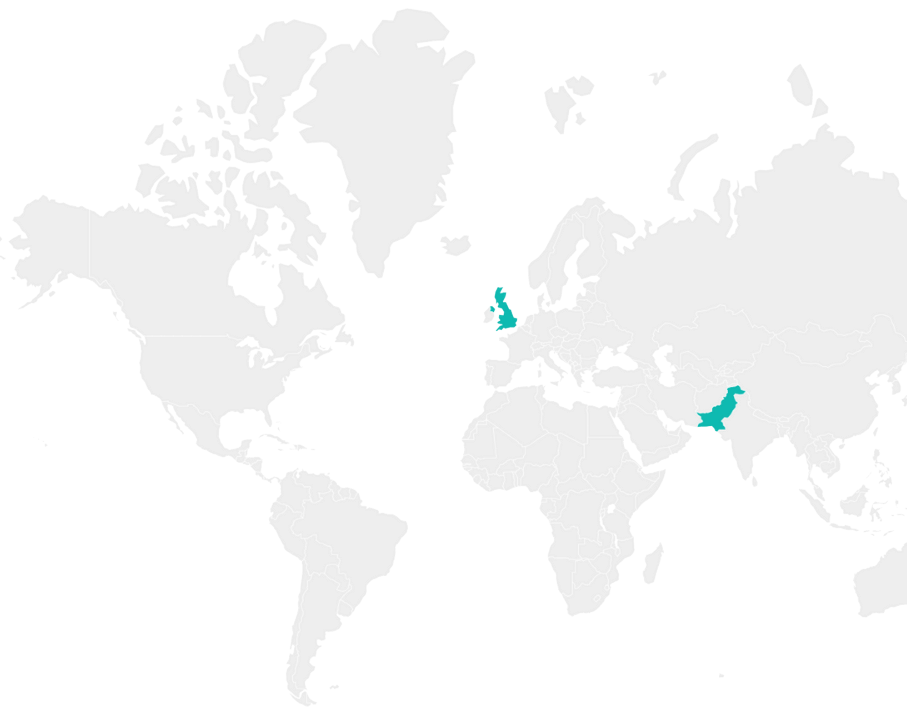
EmporionSoft works with startups and enterprises across the UK and globally to design cost-efficient, high-performance cloud architectures. Our teams help organisations move beyond reactive cost cutting toward sustainable cloud cost optimization aligned with long-term business goals. You can explore how we approach complex cloud challenges through our services overview at https://emporionsoft.com/services/ and see real-world outcomes in our case studies at https://emporionsoft.com/case-studies/.
If your organisation is looking to gain control over cloud spending without sacrificing performance or growth, a structured optimisation strategy is the right place to start. You can discuss your requirements directly with our cloud specialists by booking a consultation at https://emporionsoft.com/consultation/ or reaching out through our contact page at https://emporionsoft.com/contact-us/.