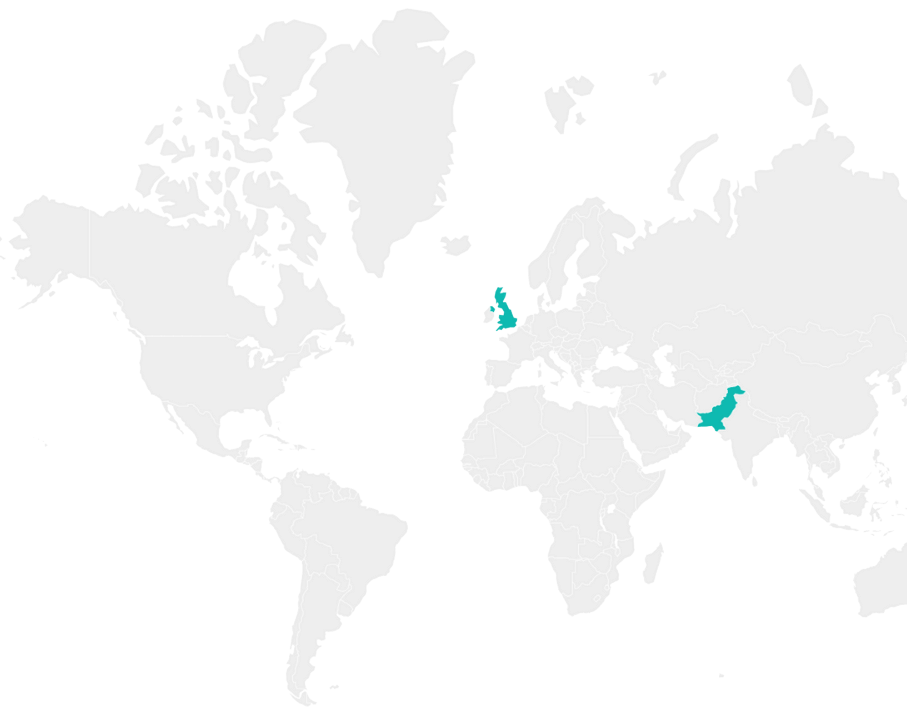

The Strategic Importance of Local SEO for Pakistan’s Technology Sector
Local SEO Pakistan tech is no longer a peripheral marketing concern. For software firms operating in Karachi, Lahore, Islamabad, and emerging hubs such as Faisalabad and Peshawar, local visibility shapes pipeline quality, partnership opportunities, and long term brand equity.
Technology buyers in Pakistan increasingly begin their search process with location qualified queries. A startup founder searching for an SEO agency Karachi or a mid sized manufacturer evaluating affordable web development in Lahore expects region specific results. Search engines respond by prioritising proximity, authority, and relevance signals over broad national visibility.
For software companies, this changes the competitive equation. Ranking nationally for generic technology keywords is difficult and often inefficient. However, ranking locally for high intent service combinations such as best SEO services in Islamabad or digital marketing Lahore can create direct inbound opportunities with measurable commercial value.
Local SEO Pakistan tech also intersects with trust architecture. Technology purchasing decisions in Pakistan remain relationship driven. Buyers prefer firms they can meet, evaluate, and validate within their regional ecosystem. A visible local presence reinforces credibility and reduces perceived execution risk.
This is particularly relevant for companies offering complex services such as custom web app development services or long term software development consulting services. These are not transactional purchases. They require trust signals that extend beyond technical capability. A structured digital footprint aligned with regional search intent supports that trust formation process.
From a strategic standpoint, local SEO functions as infrastructure. It supports brand positioning, authority building, and sector specialisation. Firms that integrate search visibility into their broader service narrative often outperform competitors who treat SEO as a tactical afterthought.
At a foundational level, local optimisation aligns with broader digital strategy frameworks discussed within EmporionSoft’s services portfolio. Visibility is only effective when supported by technical competence, delivery maturity, and measurable outcomes. Search presence amplifies operational credibility, it does not replace it.
Local SEO Pakistan tech also influences how technology firms segment their offerings. A healthcare software development company targeting private hospitals in Lahore requires a different local search structure compared to a financial services software development provider focused on Islamabad based fintech startups. Location, vertical, and service depth must intersect clearly in search architecture.
Another dimension is competitive density. In saturated urban markets, multiple agencies compete for similar keyword clusters. Firms that align technical SEO foundations with domain authority building tend to achieve sustained ranking stability. This long term approach reflects the broader engineering mindset that many technology consultancies adopt in their delivery models.
For decision makers, the implication is clear. Local SEO should be integrated into growth planning at the same level as product development, pricing strategy, and partnership development. It should be measurable, technically structured, and aligned with commercial objectives.
Organisations seeking to embed this thinking often explore structured advisory frameworks through EmporionSoft’s consultation services. Local search visibility, when designed properly, becomes a predictable acquisition channel rather than an experimental marketing expense.
In Pakistan’s evolving technology sector, local search is not simply about being found. It is about being selected within a defined geography, vertical, and decision context. Companies that recognise this shift position themselves for more stable and higher quality growth trajectories.
Market Realities and Competitive Pressures in Major Pakistani Tech Hubs
Local SEO Pakistan tech operates within a highly uneven competitive landscape. Karachi, Lahore, Islamabad, and Peshawar each present different search dynamics, client expectations, and service maturity levels. A uniform strategy rarely performs well across all regions.
Karachi remains the largest commercial market. Searches for SEO agency Karachi and React Native app developers Karachi are dense, commercially competitive, and often saturated with agencies that invest consistently in paid and organic visibility. In this environment, ranking requires structured authority signals, not just keyword inclusion.
Lahore, by contrast, combines startup growth with SME digitisation. Queries such as digital marketing Lahore and affordable web development in Lahore reflect a mix of price sensitivity and quality evaluation. Many firms compete on cost positioning rather than technical differentiation. This creates opportunity for companies that articulate engineering depth and measurable outcomes.
Islamabad presents a different pattern. The presence of government institutions, regulated industries, and public sector projects influences search behaviour. Terms like managed AWS cloud services Islamabad often align with enterprise procurement requirements and compliance expectations. Visibility here requires both technical credibility and structured service narratives.
Peshawar and secondary cities represent emerging digital ecosystems. Searches such as best software house in Peshawar show growing regional demand but comparatively lower authority competition. Early investment in local SEO Pakistan tech strategies in these regions can produce long term ranking stability with relatively lower optimisation cost.
Competitive pressure is not only geographic. It is structural. Many software firms present overlapping service portfolios including custom web app development services, software development consulting services, and vertical specific offerings. Without clear differentiation, search engines cluster similar providers together, making ranking volatility more common.
One consistent observation across major hubs is the absence of technical depth in many local competitors. Firms frequently focus on surface level service pages without investing in architectural authority, technical thought leadership, or documented delivery case studies. This creates a gap for companies willing to integrate structured technical content into their digital presence.
Strategic case documentation is particularly relevant. Detailed project breakdowns signal credibility and operational maturity. Structured examples available through EmporionSoft’s case studies illustrate how authority signals extend beyond marketing claims into measurable delivery evidence.
Cloud and infrastructure capability also influences competitive positioning. Firms that articulate cost efficiency and scalability frameworks, as explored in Cloud Cost Optimisation for SMEs, tend to perform better in enterprise focused search environments. Buyers in regulated sectors prioritise stability over promotional messaging.
Another pressure point is internal team visibility. Technology buyers often evaluate leadership profiles and engineering depth before initiating contact. Clear presentation of technical expertise through structured team narratives, such as those reflected in EmporionSoft’s team overview, strengthens trust formation in competitive markets.
Local SEO Pakistan tech therefore functions within layered competition. Geographic saturation, service duplication, and credibility gaps shape ranking volatility. Firms that treat search visibility as an extension of operational maturity, rather than isolated keyword targeting, tend to outperform.
The core challenge across Pakistani tech hubs is not merely appearing in search results. It is sustaining relevance under increasing density. As more firms invest in digital marketing, technical authority and structured differentiation become the primary stabilising factors in local search performance.
Understanding these regional and structural pressures is essential before designing execution frameworks. Without this contextual awareness, optimisation efforts risk becoming fragmented and short lived rather than strategically durable.
Defining Local Search Intent Across Software Service Verticals
Local SEO Pakistan tech becomes significantly more effective when search intent is segmented by vertical, decision stage, and service complexity. Technology services are rarely purchased impulsively. They follow evaluation cycles shaped by budget approvals, technical validation, and risk assessment.
Search intent in the Pakistani technology market typically falls into three structured categories. The first is transactional intent. These are queries with immediate commercial expectation, such as custom web app development services in Lahore or AI chatbot development for local businesses in Karachi. Users searching these terms are often ready to shortlist vendors.
The second category is investigative intent. Here, buyers compare approaches before committing. Searches related to healthcare software development company capabilities or financial services software development compliance frameworks fall into this group. Decision makers want to understand methodology, architecture, and domain experience before initiating contact.
The third category is strategic intent. This includes queries tied to planning cycles, such as top programming languages to learn in 2026 Pakistan or long term digital transformation strategies. These users may not convert immediately, but they shape future vendor relationships and brand perception.
For Local SEO Pakistan tech strategies to succeed, each intent category requires distinct page architecture. Transactional pages must be tightly structured, location specific, and conversion oriented. Investigative pages require technical depth and cross referencing to supporting frameworks. Strategic content benefits from thought leadership positioning.
Vertical segmentation is equally important. A healthcare software development company targeting private hospitals in Lahore requires compliance focused messaging, including data governance and interoperability standards. Insights from structured governance models such as those discussed in AI Governance for SMEs reinforce credibility in regulated sectors.
Similarly, financial services software development buyers expect clear articulation of security and scalability frameworks. Technical comparisons, such as those explored in SQL vs NoSQL Database Architecture, support investigative stage queries where architectural decisions influence procurement.
AI chatbot development for local businesses introduces another intent layer. Smaller enterprises searching for automation solutions often seek ROI clarity rather than infrastructure detail. Linking automation use cases to measurable business impact, as outlined in Tech ROI Metrics for Digital Projects, aligns search visibility with commercial outcomes.
Local modifiers amplify these intent layers. A fintech founder in Islamabad searching for financial services software development expects region specific regulatory familiarity. A textile mill operator in Faisalabad evaluating ERP modernisation looks for industry contextual experience rather than generic software capability.
Intent mapping also improves content prioritisation. Rather than publishing generic service descriptions, firms should build content clusters aligned to high value local verticals. This reduces keyword cannibalisation and strengthens thematic authority.
Another structural consideration is search journey continuity. Transactional queries should connect logically to investigative content through internal linking. For example, a service page for custom web app development services can reference strategic evaluation frameworks without diluting commercial clarity. Structured linkage improves both ranking stability and user comprehension.
Local SEO Pakistan tech therefore requires layered mapping between geography, vertical, and decision stage. Companies that integrate these variables into content architecture create clearer pathways from visibility to engagement.
Without intent segmentation, optimisation becomes superficial. With it, search presence reflects operational maturity and domain expertise. In complex technology markets, this distinction directly influences pipeline quality and long term positioning.
Technical SEO Foundations for Software and App Development Firms
Local SEO Pakistan tech is heavily influenced by technical architecture. For software development firms, this creates a dual responsibility. They must demonstrate engineering capability to clients while ensuring their own digital infrastructure meets performance, security, and structured data standards.
Technical SEO begins with crawlable architecture. Clear service hierarchies, location specific landing pages, and logical URL structures improve search engine indexing. For example, a page targeting React Native app developers Karachi should sit within a structured service taxonomy rather than exist as an isolated blog entry.
Page speed is equally critical. Technology buyers associate slow websites with operational inefficiency. Core Web Vitals performance, compressed assets, and efficient server response times reinforce brand perception. For firms offering managed AWS cloud services Islamabad or complex ERP systems, infrastructure credibility begins with their own platform.
Security signals also influence ranking stability and trust. HTTPS implementation, structured security policies, and documented compliance practices contribute to both user confidence and search authority. Firms addressing regulated industries often reinforce this through frameworks similar to those outlined in Data Privacy Frameworks for Modern Applications.
Structured data markup strengthens local visibility. Implementing LocalBusiness schema, service specific schema, and FAQ structured data allows search engines to contextualise offerings such as custom ERP software for textile mills Faisalabad or website security audit cost Pakistan. Proper markup improves rich result eligibility and enhances click through rates.
Another technical layer is API scalability and backend performance. Companies positioning themselves as enterprise ready should ensure their own digital properties reflect modular, scalable principles. Architectural discussions similar to those explored in Scalable APIs for SaaS Platforms demonstrate how backend robustness aligns with long term SEO sustainability.
DevSecOps integration also contributes to search resilience. Continuous deployment without breaking structured metadata, maintaining clean redirects, and preventing duplicate content errors require disciplined release management. Operational practices aligned with principles described in DevSecOps for Small Teams reduce technical SEO regression during feature rollouts.
Local optimisation further depends on accurate business profile integration. Consistent NAP data across platforms, structured map listings, and verified business profiles in major cities support geo relevance. Inaccurate or inconsistent listings dilute ranking authority.
Mobile optimisation is another non negotiable component. Many SME founders in Pakistan conduct initial vendor research through mobile devices. Responsive layouts, compressed scripts, and minimal render blocking resources directly influence bounce rates and engagement depth.
Technical SEO foundations also intersect with cloud cost management. Over provisioned infrastructure can slow load times due to inefficient configuration, while under provisioned hosting can cause downtime. Structured optimisation principles similar to those outlined by TheCodeV highlight how performance engineering aligns with digital credibility.
Local SEO Pakistan tech therefore requires disciplined engineering alignment. Search visibility is not driven solely by keywords or backlinks. It is sustained by infrastructure stability, security transparency, and structured data integrity.
Software firms that treat their own digital presence as a production grade system, rather than a marketing asset, tend to achieve stronger and more stable search performance. In competitive regional markets, this technical maturity becomes a differentiating factor rather than an optional enhancement.
Building Authority Through Content, Case Studies, and Industry Positioning
Local SEO Pakistan tech performance is closely tied to authority depth. In competitive urban markets, ranking is influenced less by surface optimisation and more by perceived expertise within defined verticals.
Authority in the technology sector is earned through demonstrated capability. Service pages alone rarely establish this. Decision makers evaluating software development consulting services or healthcare software development company profiles seek evidence of execution maturity.
Structured case documentation plays a central role. Detailed breakdowns of delivery scope, technical stack, integration challenges, and measurable outcomes create trust signals that extend beyond promotional language. A structured portfolio such as the examples presented in EmporionSoft’s case studies reinforces technical credibility within local markets.
Thought leadership also strengthens local authority. Publishing analytical insights on governance, infrastructure decisions, and system design demonstrates long term commitment to engineering excellence. Articles such as AI Governance for SMEs illustrate how specialised knowledge positions firms beyond transactional service providers.
Industry positioning should be deliberate. A financial services software development provider targeting fintech startups in Islamabad requires a different narrative compared to a firm serving textile manufacturing clients in Faisalabad. Vertical specificity reduces ambiguity and improves search relevance.
Authority also benefits from technical transparency. Discussing architectural trade offs, delivery risks, and optimisation frameworks signals maturity. Strategic decision models, including those explored in Technical Debt Explained, communicate operational discipline rather than marketing claims.
Another factor is ecosystem alignment. Firms that demonstrate awareness of global engineering practices while remaining locally accessible often gain credibility advantages. Comparative strategic frameworks, such as those referenced in TheCodeV’s build vs buy analysis, show how international benchmarking strengthens local positioning.
Content structure must also support thematic clustering. Publishing unrelated articles without vertical cohesion weakens domain authority. Instead, content should be organised around high value sectors such as healthcare, financial services, AI automation, and enterprise cloud adoption.
Backlink acquisition, while relevant, is secondary to content substance. In Pakistan’s technology ecosystem, referrals, partnerships, and professional networks often generate organic link signals. Strong thought leadership increases the probability of citation within industry forums and digital communities.
Local SEO Pakistan tech strategies that integrate case studies, structured insight articles, and vertical specific service narratives create compounding authority. Search engines reward depth and coherence, particularly in specialised sectors.
Importantly, authority building is cumulative. It requires consistent publishing discipline and alignment between operational capability and digital representation. Short term optimisation campaigns rarely produce durable ranking stability without this foundation.
For technology firms competing in Karachi, Lahore, Islamabad, and emerging hubs, content authority functions as both a ranking driver and a trust accelerator. In complex B2B environments, this dual impact directly influences conversion quality and client retention.
Building authority is therefore not separate from SEO. It is the structural backbone that sustains Local SEO Pakistan tech performance over time.
Localised Service Pages for High-Value Technology Niches
Local SEO Pakistan tech strategies reach operational maturity when service architecture reflects both geography and industry depth. Generic service pages rarely perform well in competitive city level searches. High value visibility requires structured localisation tied to specific commercial niches.
A common mistake among technology firms is publishing one broad page for custom web app development services and expecting it to rank across Karachi, Lahore, Islamabad, and Peshawar. Search engines prioritise contextual relevance. A page that combines location, industry, and service intent typically outperforms generic alternatives.
For example, affordable web development in Lahore requires a distinct narrative compared to enterprise cloud solutions in Islamabad. Lahore based SMEs often evaluate cost structure, timeline clarity, and post deployment support. Islamabad based enterprises prioritise governance, scalability, and compliance documentation. Content architecture must reflect these behavioural differences.
High value vertical localisation further strengthens relevance. A page targeting custom ERP software for textile mills Faisalabad should reference industry specific workflows such as supply chain tracking, loom integration, and production analytics. This reduces ambiguity and improves thematic depth.
Similarly, a service page for managed AWS cloud services Islamabad should articulate workload migration planning, infrastructure cost modelling, and hybrid deployment strategies. Technical coherence reinforces credibility and aligns with search expectations.
Structured service hierarchies are essential. Primary service categories should be clearly accessible through a consolidated framework such as EmporionSoft’s services overview. From there, nested pages can address city and vertical combinations without creating duplication conflicts.
Duplication risk is a significant technical concern in Local SEO Pakistan tech. Repeating identical service descriptions across multiple city pages can trigger content cannibalisation. Each page must offer distinct contextual value, including region specific examples, client profiles, or regulatory considerations.
Internal linking strategy further enhances page authority. Geo specific service pages should connect logically to supporting technical insights. For instance, infrastructure focused services may reference scalable architecture models discussed in Microservices vs Serverless Architecture. This reinforces topical authority without diluting local relevance.
About and credibility signals should also support localisation. Regional buyers often evaluate leadership experience and organisational maturity before initiating contact. Contextual linking to structured firm narratives such as EmporionSoft’s about page strengthens trust formation.
Another structural consideration is search intent hierarchy. City pages should not merely insert location modifiers into headings. They should answer location specific decision criteria. This includes pricing benchmarks, compliance expectations, infrastructure considerations, and sector maturity levels.
Content length and clarity must remain balanced. Overly promotional language weakens credibility. Instead, pages should provide analytical clarity on scope, execution methodology, and long term scalability implications.
Local SEO Pakistan tech effectiveness depends on disciplined page architecture. Each high value niche page should serve a defined audience segment, address a distinct regional need, and integrate into a broader service ecosystem.
When localisation is executed with vertical precision and structural coherence, search visibility becomes more stable. More importantly, the resulting traffic tends to reflect higher intent and stronger commercial alignment.
In technology markets where competition is increasing across major Pakistani cities, localised service architecture is not optional. It is a core component of sustainable search performance and long term growth positioning.
Measurement Frameworks and ROI Attribution for Local SEO Campaigns
Local SEO Pakistan tech initiatives must be evaluated through structured measurement frameworks rather than vanity metrics. Ranking improvements and traffic growth are early indicators, but they do not reflect commercial performance on their own.
For technology firms offering software development consulting services or AI chatbot development for local businesses, sales cycles are often multi stage and relationship driven. Attribution models must therefore connect organic visibility to pipeline progression, not just form submissions.
The first layer of measurement focuses on search performance. This includes local keyword rankings segmented by city, click through rates from geo specific pages, and engagement metrics such as scroll depth and time on page. These indicators show whether Local SEO Pakistan tech architecture is technically aligned with search intent.
The second layer involves lead qualification. Not all inbound enquiries represent equal commercial value. Tracking marketing qualified leads, technical validation calls, and proposal stage conversions provides deeper insight into lead quality. Integrating CRM tracking with structured frameworks similar to those outlined in Tech ROI Metrics for Digital Projects enables more accurate attribution modelling.
Pipeline attribution becomes more complex in enterprise contexts. A query related to website security audit cost Pakistan may initiate a conversation that evolves into a broader infrastructure engagement. Without multi touch attribution tracking, the original organic entry point may be undervalued.
Cloud and infrastructure services also require cost sensitivity analysis. Local SEO investment should be evaluated against infrastructure efficiency and client lifetime value. Optimisation models similar to those discussed in Cloud Cost Optimisation provide structured approaches to aligning marketing spend with operational margins.
Another important dimension is conversion pathway clarity. Geo specific service pages must track distinct user journeys. For example, a Lahore based SME exploring AI chatbot development for local businesses may require educational content before requesting consultation. Conversion funnel mapping identifies friction points and drop off patterns.
Attribution should also extend to brand authority impact. Even when prospects do not convert immediately, repeated visibility across investigative searches strengthens long term recall. Multi month tracking windows are therefore more appropriate than short term evaluation cycles.
Technical due diligence awareness further strengthens ROI interpretation. Prospects often research vendors extensively before direct engagement. Strategic advisory models, similar to those referenced in Technical Due Diligence Frameworks, highlight how visibility during evaluation phases influences vendor selection even when initial contact occurs later.
Local SEO Pakistan tech measurement must therefore integrate marketing analytics, CRM tracking, and revenue forecasting. Isolated keyword dashboards provide limited strategic value without commercial context.
Executive teams should review organic acquisition performance alongside proposal conversion rates, average contract value, and client retention metrics. This integrated approach transforms SEO from a marketing activity into a predictable growth lever.
In Pakistan’s expanding technology sector, disciplined measurement separates sustainable visibility from temporary ranking fluctuations. When attribution frameworks are aligned with revenue modelling, Local SEO becomes measurable infrastructure rather than speculative expenditure.
From Visibility to Sustainable Growth: Embedding Local SEO into Long-Term Strategy
Local SEO Pakistan tech should not operate as a standalone marketing function. It must be embedded within the broader growth architecture of a technology firm. Visibility without structural alignment produces inconsistent outcomes and fragmented positioning.
Sustainable performance begins with strategic integration. Service design, vertical specialisation, content authority, and technical infrastructure should evolve together. When a company expands its custom web app development services or strengthens its software development consulting services portfolio, its local search architecture should reflect that evolution immediately.
This alignment requires operational discipline. Product teams, engineering leaders, and marketing strategists must coordinate messaging, documentation, and service taxonomy. Search performance improves when internal clarity precedes external promotion.
Long term growth also depends on compounding authority. Publishing structured insights, documenting delivery maturity, and refining geo specific service pages build cumulative relevance. Over time, search engines associate consistent thematic depth with brand credibility.
Local SEO Pakistan tech strategies that succeed tend to follow three structural principles. First, they treat content as intellectual capital rather than promotional material. Second, they integrate technical performance optimisation into routine engineering workflows. Third, they measure impact using revenue aligned metrics rather than superficial ranking reports.
Geographic expansion should be deliberate. Moving from dominance in one city to structured visibility in another requires contextual research and vertical adaptation. Replicating content without localisation weakens authority and creates duplication risks.
Leadership positioning also plays a role. Buyers prefer firms that demonstrate transparency, domain understanding, and measurable execution capability. A coherent digital presence supported by structured service narratives strengthens this perception.
Organisations seeking to embed this approach often begin by reviewing their digital architecture holistically through EmporionSoft’s consultation framework. Strategic alignment ensures that Local SEO Pakistan tech investments support long term commercial goals rather than isolated campaign targets.
Operational maturity is equally important. Firms that continuously refine infrastructure, security posture, and service clarity strengthen both search performance and client retention. This integrated perspective reflects global best practice approaches such as those outlined by TheCodeV, where technical credibility and digital positioning evolve together.
Ultimately, local search visibility is a selection mechanism. It influences which firms enter the evaluation stage. However, sustained growth depends on consistent delivery excellence, transparent communication, and measurable outcomes.
Technology companies that view Local SEO Pakistan tech as growth infrastructure rather than promotional activity position themselves for stable expansion across Karachi, Lahore, Islamabad, and emerging regional markets.
For founders, CTOs, and product leaders assessing their next stage of growth, structured digital positioning deserves the same strategic attention as product architecture and talent development. Firms ready to evaluate their current local search maturity can begin by exploring the broader capabilities presented on EmporionSoft’s homepage or initiating a structured discussion through EmporionSoft’s contact page.
Sustainable visibility is built through clarity, discipline, and long term alignment. When local search becomes embedded within organisational strategy, it transforms from a ranking objective into a durable growth engine.