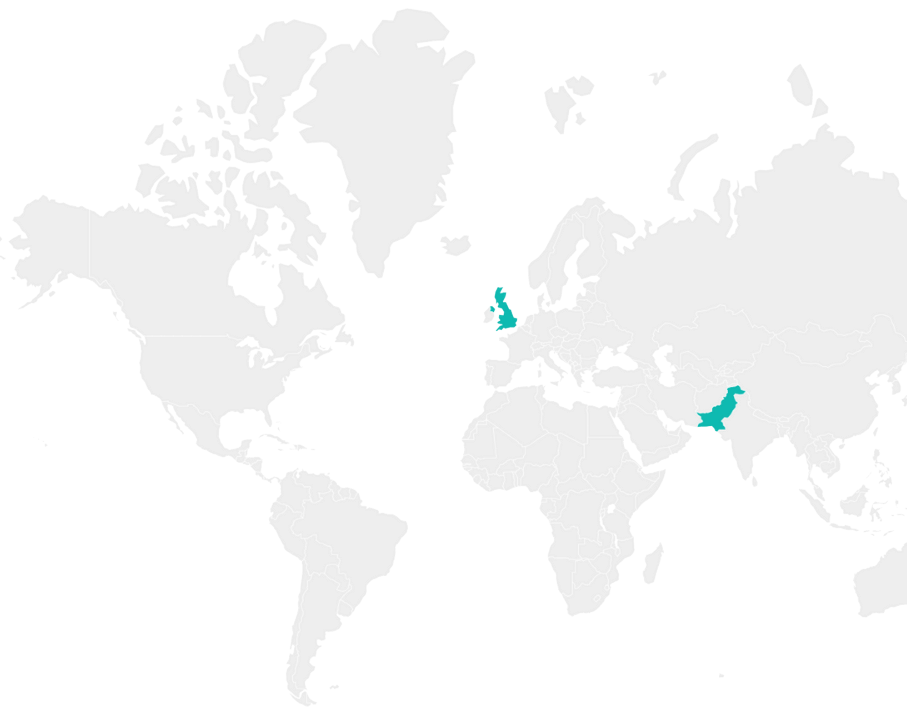


Why UK and US Businesses Are Outsourcing Software Development in 2026
Over the past decade, software development outsourcing has shifted from a cost-cutting tactic to a core business strategy. In 2026, UK and US companies are no longer asking whether to outsource. They are deciding how to do it effectively and where to build long-term engineering capacity.
The primary driver is economic pressure. Hiring senior developers in the UK or US has become significantly more expensive, particularly in major tech hubs. Salaries, recruitment fees, benefits, and retention costs create a heavy financial burden, especially for startups and SMEs. According to Statista global outsourcing data, the IT outsourcing market continues to grow steadily, reflecting sustained demand from businesses trying to manage these rising costs.
At the same time, access to talent has become a bottleneck. Many companies struggle to hire experienced developers locally within reasonable timeframes. Hiring cycles often extend to several months, delaying product development and slowing down innovation. This is particularly critical for early-stage startups where speed to market can determine success or failure.
Outsourcing offers a practical solution to both problems. It allows businesses to access a broader global talent pool while maintaining flexibility in how teams are structured. Instead of relying solely on in-house hiring, companies can build distributed teams that scale up or down based on project requirements.
For many organisations, this is not just about reducing costs. It is about improving delivery efficiency. By working with offshore teams, companies can accelerate development timelines, maintain continuous progress, and respond more quickly to market changes. This approach is increasingly common in agile environments, where iterative development and rapid deployment are essential.
Another important factor is the shift toward remote-first work. The global adoption of remote collaboration tools has normalised distributed teams. Platforms like Atlassian collaboration tools and modern DevOps practices have made it easier to manage projects across different locations without compromising visibility or control. As a result, geographical boundaries are no longer a major constraint in building high-performing engineering teams.
UK businesses, in particular, are adopting outsourcing as a strategic extension of their operations rather than a separate function. Many companies now combine local leadership with offshore execution, creating hybrid models that balance control with scalability. This approach allows them to maintain product direction and stakeholder communication locally while leveraging global talent for development.
From a financial perspective, outsourcing also improves predictability. Instead of dealing with fixed overheads associated with full-time employees, companies can align development costs with actual project needs. This is especially valuable for businesses operating under tight budgets or uncertain growth conditions.
For organisations exploring how to outsource software development through a structured approach, the focus is increasingly on building long-term partnerships rather than short-term contracts. This reflects a broader shift in mindset. Companies are not just outsourcing tasks. They are extending their engineering capability.
This context sets the foundation for why emerging markets like Pakistan are gaining attention. As businesses refine their outsourcing strategies, they are actively looking for regions that offer not only cost advantages but also reliability, communication strength, and alignment with Western business practices.
In that landscape, Pakistan is starting to stand out.
Why Pakistan Is Emerging as a Serious Offshore Development Hub
When UK and US businesses explore how to outsource software development to Pakistan, the decision is rarely driven by a single factor. It is usually the result of several structural advantages coming together in a way that supports both cost efficiency and delivery quality.
One of the most important of these is the scale of the talent pool. Pakistan produces a large number of software engineers every year, with strong representation in web development, mobile applications, cloud systems, and increasingly AI-driven solutions. According to the Pakistan Software Export Board, the country has a rapidly expanding IT workforce, supported by universities that are aligned with modern technical curricula. This consistent talent pipeline allows companies to hire Pakistani developers in the UK context without facing the same supply constraints seen in local markets.
Beyond volume, there is a noticeable improvement in capability. Over the last decade, Pakistani developers have gained significant exposure to international clients, particularly through freelance platforms, outsourcing firms, and export-focused companies. This has led to a workforce that is not only technically competent but also familiar with agile methodologies, sprint-based delivery, and collaborative product development.
Communication is another area where Pakistan holds a strong position. English is widely used in business, education, and technology sectors, which reduces friction in daily interactions. For UK and US teams, this translates into clearer requirements, fewer misunderstandings, and smoother project execution. When working with a Pakistan offshore development company in a UK-facing setup, communication quality often becomes a differentiator rather than a concern.
Time zone alignment further strengthens this advantage. Pakistan operates on a schedule that overlaps significantly with UK working hours, making real-time collaboration practical. Daily stand-ups, sprint reviews, and quick feedback loops can all happen within shared working windows. For US businesses, the time difference can be used strategically to maintain development progress outside local working hours, effectively extending the productivity cycle.
Cost positioning also plays a critical role, but it needs to be understood correctly. The lower hourly rates in Pakistan are not simply a reflection of lower skill levels. Instead, they are influenced by broader economic factors and the country’s current position in the global outsourcing market. Compared to more saturated regions, Pakistan remains underutilised internationally, which creates an opportunity for businesses to access high-quality engineering talent at a more efficient cost. This is particularly relevant when evaluating offshore development Pakistan cost savings from a long-term perspective.
Another factor contributing to Pakistan’s emergence is the growing number of companies with international exposure. Many software firms now operate with UK clients, remote teams, or even a Pakistani software company UK office structure. This improves alignment with Western business expectations, including documentation standards, compliance awareness, and structured delivery processes. Companies with this kind of experience are better equipped to handle complex projects and long-term engagements.
From a broader perspective, Pakistan’s IT export sector has shown consistent growth. Insights from the World Bank digital economy research highlight how countries investing in digital skills and export services are becoming integral to global technology ecosystems. Pakistan fits this pattern, with increasing participation in cross-border software development and service delivery.
For UK businesses, there is also a subtle but meaningful advantage in terms of cultural familiarity. Historical connections, diaspora networks, and business interactions contribute to a level of mutual understanding that can make onboarding smoother. This is particularly valuable for SMEs and startups that may not have extensive experience managing offshore teams.
In practical terms, Pakistan is no longer an emerging option in the experimental sense. It is becoming a structured and reliable choice for companies that want to outsource software development while maintaining quality, communication, and operational control.
The combination of talent availability, cost efficiency, and improving global integration is what positions Pakistan as a serious offshore development hub in 2026.
Cost Comparison: Pakistan vs UK and US Development Rates
Cost is often the entry point for companies considering whether to outsource software development to Pakistan. However, the real value lies not just in lower rates, but in how those costs translate into output, speed, and long-term return on investment.
In the UK and US, hiring experienced software developers has become increasingly expensive. According to Glassdoor salary insights, mid to senior-level developers in the UK typically command annual salaries ranging from £50,000 to £90,000, with significantly higher figures in London. In the US, the range is even higher, often exceeding $100,000 to $150,000 depending on location and expertise. These figures do not include recruitment costs, benefits, office infrastructure, or ongoing retention expenses.
When broken down into hourly rates, UK developers commonly fall between £50 and £120 per hour, while US developers can range from $70 to $150 per hour. These rates make scaling an in-house team costly, especially for startups or SMEs operating within limited budgets.
In contrast, Pakistan offers a markedly different cost structure. Based on data from platforms like Upwork global rate benchmarks and Payscale developer salaries, experienced Pakistani developers typically charge between $20 and $50 per hour, depending on skill level and specialisation. For companies evaluating Pakistan software developer hourly rate UK comparisons, this represents a significant cost advantage without necessarily sacrificing quality.
The difference becomes more meaningful when viewed at the team level. A UK-based team of five developers could cost upwards of £300,000 annually when all factors are considered. An equivalent offshore team in Pakistan may operate at a fraction of that cost, often delivering comparable output when managed effectively. This is where offshore development Pakistan cost savings become a strategic lever rather than a simple budgeting decision.
However, focusing purely on hourly rates can be misleading. A lower rate does not automatically mean better value. Productivity, experience, communication quality, and project management all influence the final outcome. For example, a slightly higher-priced offshore team with strong processes may deliver faster and with fewer revisions, ultimately reducing total project cost.
Another consideration is the hidden cost of local hiring. Recruitment delays, onboarding time, and employee turnover can significantly impact delivery timelines. In competitive markets like the UK and US, retaining skilled developers is an ongoing challenge. Companies often face repeated hiring cycles, which add both direct and indirect costs.
Outsourcing helps mitigate these issues by providing access to ready-built teams that can integrate quickly into existing workflows. For businesses already exploring cloud cost optimisation strategies, extending that mindset to development resources creates a more holistic approach to cost control.
From an ROI perspective, the goal is not simply to spend less, but to achieve more with the same budget. By reallocating resources saved through outsourcing, companies can invest in product innovation, marketing, or scaling operations. This aligns with broader performance measurement frameworks discussed in technology ROI metrics, where efficiency and output are more important than raw expenditure.
It is also worth noting that Pakistan’s cost advantage is influenced by macroeconomic factors such as currency differences and cost of living, rather than a lack of technical capability. This creates a window of opportunity for businesses that are early in adopting Pakistan as an outsourcing destination.
In practical terms, companies that outsource app development to Pakistan are not just reducing costs. They are restructuring how development budgets are allocated, moving from fixed overheads to flexible, performance-driven investment.
This shift is what makes cost comparison a strategic decision rather than a purely financial one.
Key Risks When Outsourcing to Pakistan and How to Mitigate Them
For UK and US businesses evaluating whether to outsource software development to Pakistan, risk is a natural consideration. While the advantages are clear, successful outsourcing depends on understanding potential challenges and putting the right safeguards in place from the start.
One of the most common concerns is intellectual property protection. When working with an offshore team, businesses need assurance that their code, product ideas, and proprietary systems remain secure. This risk is not unique to Pakistan, but it becomes more visible in cross-border engagements. The solution is structured legal protection. Clear contracts, enforceable NDAs, and defined ownership clauses are essential. Frameworks outlined in data privacy and compliance practices can help establish a baseline for secure collaboration.
Closely related to this is regulatory compliance, particularly for UK and EU-based businesses operating under GDPR. Any offshore partner handling user data must align with these requirements. This includes secure data storage, controlled access, and documented processes for handling sensitive information. Official guidance from GDPR compliance standards highlights the importance of accountability and data governance, which should be reflected in the outsourcing agreement and technical architecture.
Communication gaps are another potential risk, especially in the early stages of collaboration. Even with strong English proficiency, differences in expectations, documentation style, or feedback cycles can create friction. This is where process maturity becomes critical. Teams that follow structured agile practices, maintain clear documentation, and use collaborative tools tend to reduce these risks significantly. Adopting proven workflows similar to those discussed in DevSecOps practices for small teams can improve both transparency and consistency.
Quality control is also a key concern. Without proper oversight, outsourced projects can drift from requirements or accumulate technical debt. This is often the result of unclear specifications or a lack of continuous validation rather than a capability issue. Regular sprint reviews, milestone-based delivery, and defined acceptance criteria help maintain alignment. Businesses should treat offshore teams as an extension of their internal engineering function rather than a separate entity.
Another area that requires attention is vendor reliability. Not all outsourcing partners operate at the same level of professionalism. Some may lack structured processes, long-term stability, or experience with international clients. This increases the risk of missed deadlines, inconsistent delivery, or project disruption. Conducting due diligence is essential. Reviewing past work, client references, and delivery frameworks helps reduce uncertainty before engagement begins.
Security risks at the infrastructure level should also be considered. This includes access control, code repositories, and deployment environments. Standards from organisations like ISO information security frameworks provide guidance on how to structure secure systems and workflows. Ensuring that the offshore partner follows similar practices adds an additional layer of protection.
It is important to recognise that most outsourcing risks are manageable with the right approach. They are not inherent to Pakistan as a location, but rather to how the outsourcing relationship is structured. Companies that define clear expectations, maintain active involvement, and choose experienced partners tend to achieve consistent results.
In practical terms, outsourcing works best when it is treated as a partnership rather than a transaction. This means investing time in onboarding, aligning on processes, and building mutual accountability. When these elements are in place, the perceived risks of outsourcing to Pakistan reduce significantly.
The focus, therefore, should not be on avoiding risk entirely, but on managing it intelligently.
How Time Zones, Communication, and Culture Actually Work in Practice
For many UK and US businesses, concerns about time zones and communication are often the biggest psychological barriers when deciding to outsource software development to Pakistan. In practice, these factors are far more manageable than they appear, especially when structured correctly.
Starting with time zones, Pakistan operates approximately 5 hours ahead of the UK. This creates a meaningful overlap of the working day, typically 3 to 5 hours depending on schedules. This window is more than sufficient for daily stand-ups, sprint planning, design discussions, and quick issue resolution. For most UK-based teams, this overlap feels natural rather than restrictive.
For US companies, the time difference is larger, but it can be used strategically. Instead of viewing it as a limitation, many organisations treat it as an operational advantage. Development can continue while the US team is offline, creating a near 24-hour progress cycle. This model is particularly useful for product teams that want faster iteration without increasing local working hours.
Communication quality, however, matters more than time zones themselves. Pakistan has a strong foundation in English communication, especially within the technology sector. Most developers are comfortable working in English across written and verbal formats. This reduces friction in requirement gathering, documentation, and day-to-day collaboration.
That said, effective communication is not automatic. It depends heavily on process. Teams that rely on structured workflows tend to perform significantly better. This includes clearly defined sprint cycles, documented user stories, and regular updates. Tools and practices discussed in platforms like Atlassian team collaboration systems have become standard for managing distributed teams, enabling visibility across tasks, timelines, and deliverables.
Async communication also plays an important role. Instead of expecting constant real-time interaction, successful teams use a combination of synchronous and asynchronous methods. For example, detailed written updates, recorded demos, and shared documentation allow progress to continue without waiting for meetings. This approach reduces dependency on overlapping hours while maintaining clarity.
Cultural alignment is another area that is often misunderstood. While there are differences in work culture between regions, Pakistani developers working with international clients are generally familiar with Western expectations. This includes adherence to deadlines, responsiveness, and structured feedback loops. Over time, these teams adapt closely to the working style of their clients.
For UK businesses, there is an added layer of familiarity. Historical connections and diaspora networks contribute to a shared understanding of business etiquette and communication norms. This makes onboarding smoother and reduces the learning curve when integrating offshore teams into existing workflows.
From a practical standpoint, the key is to set clear expectations early. Define communication channels, response times, meeting schedules, and escalation processes. When these elements are agreed upon from the beginning, most communication-related issues can be avoided.
Technical collaboration also benefits from modern architecture practices. When systems are built with scalability and modularity in mind, as discussed in scalable API design approaches, distributed teams can work more independently without constant coordination. This reduces bottlenecks and improves overall efficiency.
Ultimately, time zones and communication are not barriers. They are variables that need to be managed. Companies that approach them with structure and clarity often find that offshore teams integrate seamlessly into their development process.
In many cases, these teams become a natural extension of the core product organisation rather than a separate unit.
Choosing the Right Pakistani Development Partner
Deciding to outsource software development to Pakistan is only the first step. The real impact comes from choosing the right partner. The difference between a smooth, scalable engagement and a difficult project often depends on how well the vendor is evaluated at the beginning.
The first area to assess is technical capability. This goes beyond checking whether a company can build a website or mobile app. It involves understanding their experience with similar projects, technology stacks, and system complexity. Reviewing case studies is a practical starting point. A strong portfolio, such as those presented in real-world delivery examples, provides insight into how a company approaches problem-solving and execution.
Equally important is process maturity. Reliable development partners operate with structured workflows rather than ad hoc execution. This includes defined sprint cycles, backlog management, code review practices, and testing protocols. Teams that follow disciplined processes are more predictable in delivery, which is critical for long-term projects. When evaluating a partner, ask how they manage requirements, handle changes, and ensure quality at each stage.
Communication should be treated as a core competency, not a secondary factor. Even highly skilled developers can struggle in projects where communication is unclear or inconsistent. Look for teams that demonstrate proactive updates, clear documentation, and responsiveness during early conversations. This is often a strong indicator of how the relationship will function once the project begins.
Another key consideration is experience with international clients. A Pakistan offshore development company working with UK businesses needs to understand expectations around timelines, reporting, and accountability. This includes familiarity with tools, documentation standards, and business communication styles. Companies with exposure to UK or US markets tend to integrate more smoothly into existing workflows.
Team structure also matters. Instead of focusing only on individual developers, evaluate how the team is organised. A well-structured team typically includes roles such as project managers, QA engineers, and technical leads. This ensures that development is supported by oversight, testing, and coordination. For businesses looking to hire Pakistani developers in a UK context, this structure reduces dependency on any single individual and improves overall stability.
Transparency is another indicator of a strong partner. This includes visibility into progress, access to code repositories, and clear reporting on timelines and risks. Companies that operate transparently are easier to collaborate with and build trust over time. During the evaluation phase, observe how openly the vendor discusses challenges, not just successes.
It is also important to identify potential red flags early. These may include vague pricing structures, lack of documented processes, unrealistic timelines, or limited communication during initial discussions. Platforms like Clutch vendor reviews and The Manifest company listings can provide additional context through client feedback and independent evaluations.
Cultural fit should not be overlooked. While technical skills and cost are important, long-term collaboration depends on alignment in working style and expectations. Teams that are adaptable, responsive, and open to feedback tend to perform better over time.
From a strategic perspective, choosing a development partner is not just a procurement decision. It is closer to selecting a long-term collaborator. Businesses that approach this decision carefully are more likely to build stable, high-performing offshore teams.
For companies exploring how to outsource software development to Pakistan effectively, the focus should be on capability, process, communication, and trust. When these elements are aligned, outsourcing becomes a predictable and scalable part of the business rather than a risk.
Engagement Models: Dedicated Teams, Fixed Projects, and Hybrid Approaches
Once a business decides to outsource software development to Pakistan, the next step is choosing how the engagement will be structured. The model you select directly affects cost control, flexibility, delivery speed, and long-term scalability. There is no single correct approach. The right model depends on the stage of your product, the clarity of requirements, and how much control you want over the development process.
The dedicated development team model is one of the most commonly used approaches for long-term projects. In this setup, a team of developers works exclusively on your product, functioning as an extension of your in-house team. This model is particularly effective for startups and growing companies that need continuous development, iteration, and scaling.
A dedicated development team in Pakistan offers flexibility in team composition and workload. You can scale the team up or down based on evolving needs without going through repeated hiring cycles. It also allows for deeper product understanding over time, which improves efficiency and reduces onboarding friction. This model aligns well with agile development practices, where requirements evolve and continuous collaboration is required.
In contrast, the fixed project model is more suitable for clearly defined scopes. Here, the project is agreed upon in advance with specific deliverables, timelines, and costs. This approach works well for smaller projects, MVP builds, or features with well-documented requirements. It provides cost predictability, which can be useful for businesses with strict budgets.
However, fixed pricing comes with limitations. Any changes in scope can lead to renegotiation, delays, or additional costs. For complex or evolving products, this model can become restrictive. It is most effective when the problem is well understood and unlikely to change significantly during development.
The hybrid approach combines elements of both models. For example, a company might start with a fixed-scope MVP and then transition into a dedicated team for ongoing development. This allows businesses to validate ideas quickly while maintaining flexibility for future growth. Hybrid models are increasingly popular because they balance control with adaptability.
When comparing these engagement models, it is important to consider how they align with your internal processes. For example, businesses already working with agile frameworks often benefit more from dedicated teams, as they can integrate offshore developers into existing sprint cycles. Resources such as enterprise architecture planning approaches highlight the importance of aligning team structure with system complexity and long-term scalability.
Cost dynamics also vary across models. Dedicated teams typically operate on a monthly or hourly basis, providing flexibility but requiring ongoing budget management. Fixed projects offer upfront cost clarity but may include risk buffers in pricing. Hybrid models sit somewhere in between, allowing businesses to optimise cost while maintaining adaptability.
Another factor to consider is control and visibility. Dedicated teams provide the highest level of control, as you are directly involved in prioritisation, task allocation, and progress tracking. Fixed projects shift more responsibility to the vendor, which can be beneficial for companies with limited technical oversight but may reduce flexibility.
For businesses evaluating outsource app development to Pakistan, the choice of engagement model should reflect both current needs and future plans. A startup building its first product may prioritise speed and cost certainty, while a scaling company may focus on building a long-term development capability.
Ultimately, the goal is to create a structure that supports consistent delivery without unnecessary complexity. The right engagement model turns outsourcing into a stable operational advantage rather than a transactional arrangement.
Selecting the appropriate model is not just a contractual decision. It is a strategic one that shapes how your product evolves over time.
Building a Long-Term Offshore Strategy with Pakistan
Outsourcing decisions often begin with short-term goals such as reducing development costs or accelerating delivery. However, businesses that gain the most value from outsourcing to Pakistan treat it as a long-term strategic capability rather than a temporary solution.
At its core, a sustainable offshore strategy is about integration. Instead of operating offshore teams as separate units, successful companies embed them into their core product and engineering processes. This includes shared roadmaps, aligned KPIs, and consistent communication frameworks. When offshore developers are treated as part of the same system, collaboration becomes more natural and outcomes improve over time.
One of the key shifts in mindset is moving from vendor management to partnership development. Transactional relationships often lead to misalignment, especially in complex or evolving projects. In contrast, long-term partnerships create continuity. Teams develop a deeper understanding of the product, business goals, and user expectations. This reduces onboarding time, improves decision-making, and increases overall delivery efficiency.
For UK and US businesses, this approach is particularly relevant when they outsource software development to Pakistan as part of their scaling strategy. Instead of repeatedly hiring and replacing developers, companies can build stable offshore teams that grow alongside the product. This continuity becomes a competitive advantage, especially in fast-moving markets.
Another important element is governance. A well-structured offshore strategy includes clear processes for decision-making, performance tracking, and risk management. This does not require heavy bureaucracy, but it does require consistency. Regular reviews, transparent reporting, and defined escalation paths help maintain alignment across distributed teams.
Security and compliance should also be integrated into the long-term strategy rather than treated as one-time checks. As discussed in data privacy frameworks for modern systems, maintaining secure and compliant systems requires ongoing attention. This is particularly important for businesses handling user data or operating in regulated industries.
Technology architecture plays a supporting role in making offshore collaboration scalable. Systems designed with modularity and clear interfaces allow distributed teams to work more independently. This reduces coordination overhead and enables faster iteration. Companies exploring structured development approaches often align their outsourcing strategy with broader architectural decisions.
From a commercial perspective, long-term outsourcing improves cost efficiency over time. Initial onboarding and alignment may require investment, but once processes are established, productivity increases and costs stabilise. This creates a more predictable operating model compared to repeated hiring cycles in local markets.
For organisations looking to formalise this approach, working with a partner that understands both local and international expectations becomes important. Firms with experience in cross-border collaboration and structured delivery models, such as those outlined in EmporionSoft’s consulting and delivery approach, are better positioned to support long-term engagements.
There is also a broader strategic layer to consider. As global competition increases, companies need to optimise how they build and scale technology. Offshore development is no longer just an operational decision. It is part of how businesses design their engineering capability.
For additional perspective on structuring development partnerships within a UK context, resources like custom software development strategies in the UK provide useful insights into aligning offshore teams with local business goals.
In practical terms, the companies that succeed with outsourcing are those that invest in relationships, processes, and alignment. Pakistan offers the foundation for this, with a growing talent pool, improving global integration, and strong cost positioning.
If you are exploring how to outsource software development to Pakistan in a way that supports long-term growth, the focus should be on building a system, not just completing a project.